

By Mason Smith
Overview of Ridgeway’s Economic Landscape
Ridgeway, with just over 1,200 residents, has a per-capita income somewhat below its county average, but a median household income that exceeds that of the U.S., reflecting a mix of high earners and tight-margin livelihoods. The labor force is small, with employment concentrated in public administration, professional services, and administrative support.
Key Sectors and Jobs
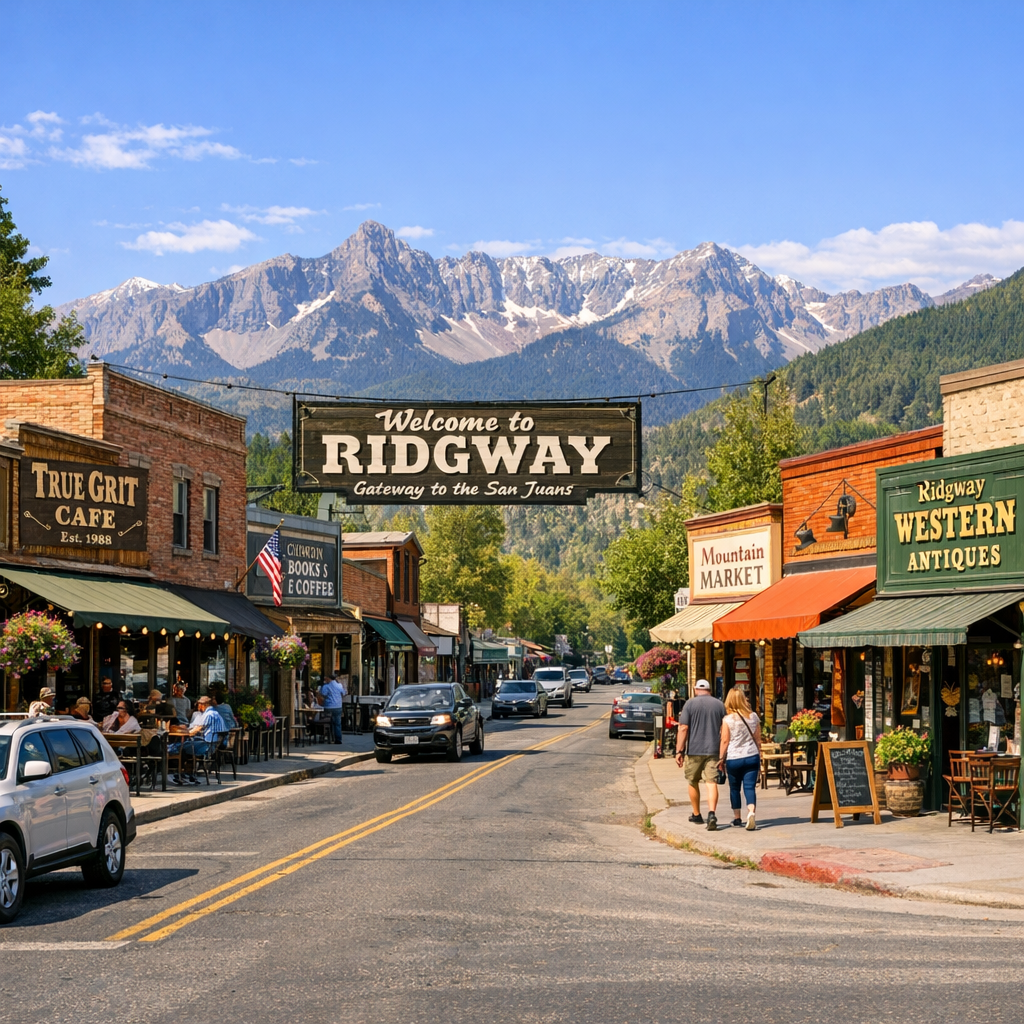
Tourism remains a backbone of Ridgeway’s economy—lodging, dining, outdoor recreation, and arts draw visitors, especially in summer. Public service and government jobs are another major employer. Emerging locally are small professional service firms, technical services, and remote workers who choose to base themselves here.
Challenges Local Businesses Face
The tourism sector is vulnerable to shifts in climate and season. Recent wildfires and smoke have reduced visitor numbers during summer months, forcing many business operators to reduce hours or adjust staffing. Shifted weather patterns and off-peak seasons also mean unstable income flows.
Another challenge is infrastructure—especially broadband access—and accessing startup capital. While state-level programs support rural entrepreneurship, delays or conditions on eligibility and competition concerns sometimes limit participation.
Opportunities and Pathways for Growth
1. Remote Work and Living
More people are working from home, either fully remotely or in hybrid roles, allowing Ridgeway to attract residents who contribute economically without relying solely on tourism. Businesses that support remote workers—co-working spaces, coworking cafés, technical support—can capitalize on this trend.
2. Leveraging State Support and Incentives
Programs like Colorado’s Rural Jump-Start offer tax incentives for businesses in rural areas. Entrepreneurship support, grants, and business accelerators are increasingly pushing resources into non-urban counties. Ridgeway business leaders can benefit by seeking out these opportunities and aligning with regional development organizations.
3. Diversifying Seasonal Revenue
Businesses that serve both tourists and locals are more resilient. Expanding offerings in wellness, local food, arts, and community-centered services can help level the revenue curve in off-peak months. Collaborations among businesses—cross-promoting, sharing resources—can strengthen sustainability.
What Residents and Entrepreneurs Can Do
For locals: keep engaging with chambers of commerce and local officials to push for improved services, incentives, and infrastructure. For would-be entrepreneurs: start by identifying gaps—what services do year-round residents need? What tourist services are underprovided? Seek out state programs, align with regional networks, and be deliberate about cost structure when targeting seasonal business. Collaboration helps preserve local character while building economic resilience.
Ridgeway’s economy is shaped by its geography, its culture, and its people. With thoughtful planning, partnerships, and smart use of state support, the town can build a stronger foundation—one that weathers disruption and offers opportunity for everyone calling Ridgeway home.