
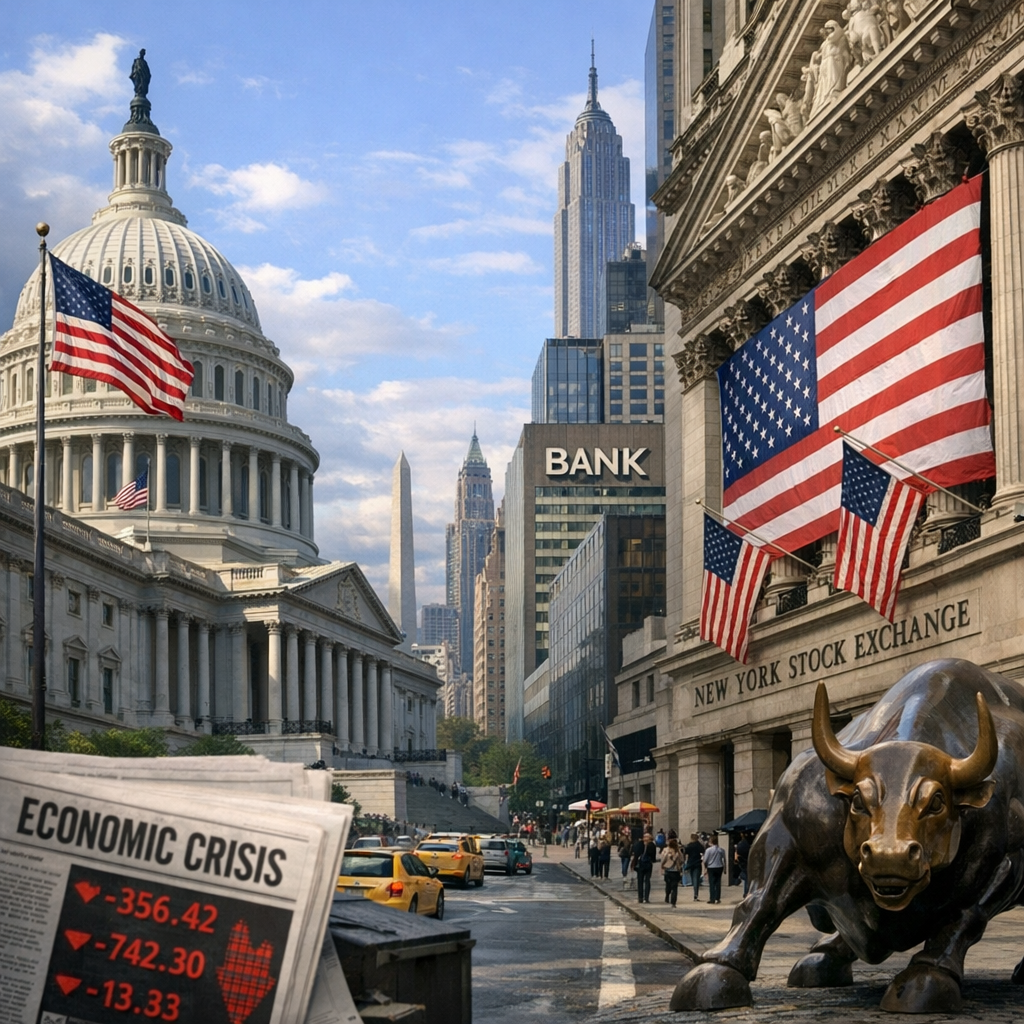
As we navigate the complexities of the current U.S. political and economic landscape, several key developments have emerged that warrant attention.
Political Climate and Public Sentiment
Recent polling indicates a significant level of public concern regarding the state of the U.S. political system. Approximately one-third of Americans identify politics and government as the nation’s most pressing issues, a sentiment that places the U.S. among the highest in political anxiety compared to other wealthy democracies. This concern is particularly pronounced among older demographics, while younger Americans are more focused on economic challenges such as housing affordability and basic needs.
Economic Indicators and Challenges
The U.S. economy continues to present a mixed picture. While there has been a rebound in economic activity following a dip in early 2025, growth in the fourth quarter of 2025 was lower than anticipated. The labor market remains stagnant, and inflation, though below its peak, persists stubbornly. The Federal Reserve monitors various economic indicators to inform decisions on interest rates, aiming to balance growth and inflation control.
Impact of Tariffs and Trade Policies
Trade policies have also played a significant role in shaping the economic landscape. The Supreme Court’s recent ruling striking down President Donald Trump’s reciprocal tariffs has introduced fresh uncertainty for consumers and businesses alike. This decision underscores the ongoing debates surrounding trade practices and their implications for the domestic economy.
Looking Ahead
As these developments unfold, it is crucial for citizens to stay informed and engaged. Understanding the interplay between political decisions and economic outcomes can empower individuals and communities to navigate the challenges and opportunities that lie ahead.