
The United States economy is currently facing a series of challenges that are affecting households and businesses nationwide. Rising inflation, wage stagnation, and international conflicts are contributing to economic uncertainty.
Inflation and Wage Stagnation
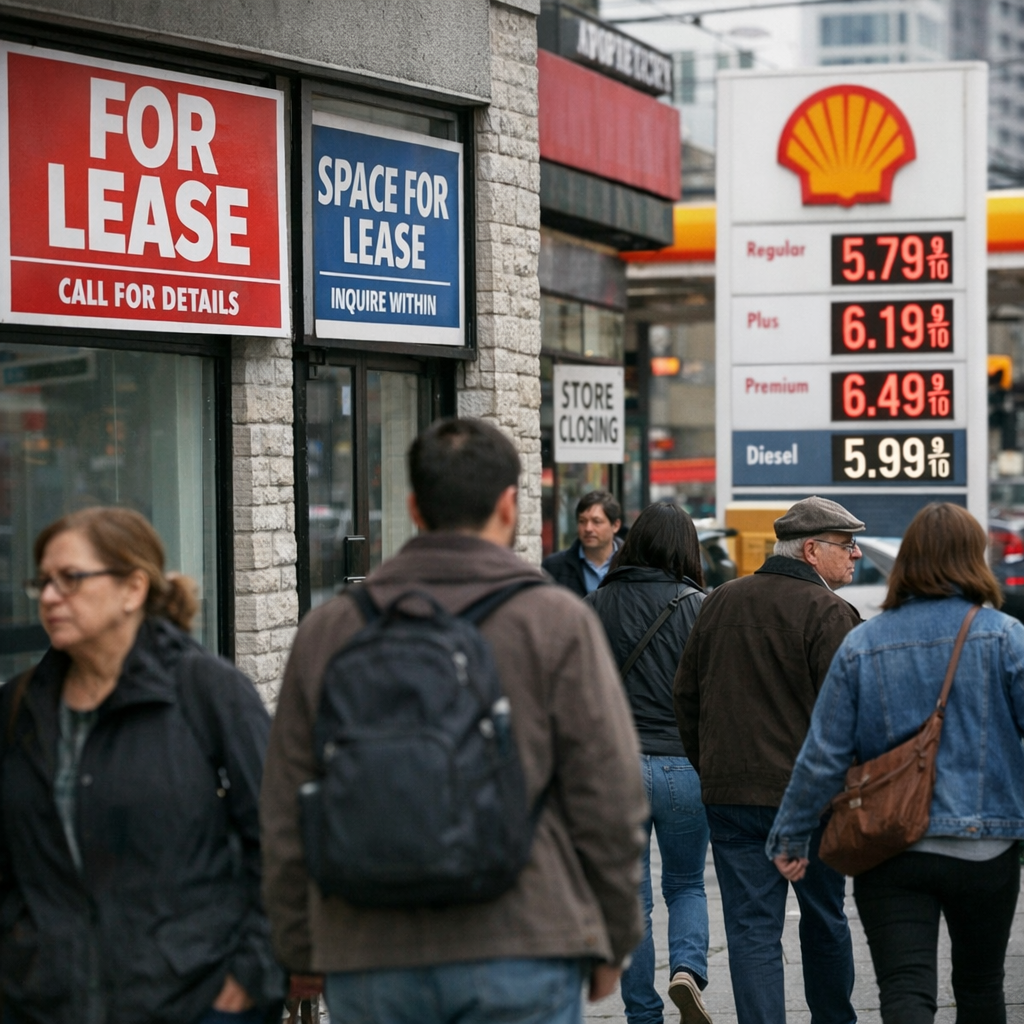
Inflation has surged to 3.8% as of April, driven primarily by escalating energy costs. Gasoline prices have increased by 5.4% in April and over 28% compared to the previous year. This rise in prices has effectively nullified recent wage gains, with wages up 3.6% but unable to keep pace with inflation. Consequently, consumers are experiencing a decrease in purchasing power, leading to increased reliance on credit and a decline in consumer confidence. Small business optimism has also reached its lowest point since before the current administration’s reelection.
Impact of International Conflicts
The ongoing conflict in Iran has significantly disrupted global oil markets, contributing to the surge in energy prices. This disruption has had a cascading effect on various sectors of the economy, from transportation to manufacturing, further exacerbating inflationary pressures.
Federal Reserve Leadership Change
In response to these economic challenges, Kevin Warsh has been confirmed as the new Chair of the Federal Reserve. Warsh assumes leadership at a critical time, with the central bank facing the dual mandate of controlling inflation while supporting economic growth. His policies and decisions will be closely watched as they will play a pivotal role in shaping the nation’s economic trajectory.
Looking Ahead
As the nation navigates these economic headwinds, it is essential for policymakers, businesses, and consumers to stay informed and adaptable. Understanding the interplay between domestic policies and international events will be crucial in developing strategies to mitigate the impact of these challenges and foster economic resilience.